


Idle Clans - MMORPG
Isam Games
I approached Idle Clans - MMORPG expecting a lighter version of the usual online role-playing game, and that is exactly where it makes the most sense. Developed by Isam Games, this free adventure game turns the long routine of building a character, improving equipment, and managing progress into something that fits around ordinary life. It is not trying to replace a large, constantly active MMORPG. Instead, it offers a quieter way to enjoy that style of progression when I have only a few minutes at a time.
That distinction is important. The appeal is not dramatic real-time action or a huge cinematic world. The appeal is watching a character and a clan develop while I make small decisions, check results, and return later with a new goal. After spending time with it, my view is that it works best as a low-pressure companion game for players who enjoy long-term improvement more than fast reflexes. It is much less convincing for anyone who wants a traditional MMORPG built around exploration, direct combat, and constant social activity.
A compact MMORPG routine built around progress
The central idea is simple, but the way it changes the rhythm of play is worth noticing. Rather than demanding that I stay in a battle or travel through a large map for a long session, the game encourages short visits. I can make a choice, review what has happened, adjust my plans, and leave. That makes the experience naturally suited to a commute, a lunch break, or the few minutes before bed.
This structure also changes what “playing” means. In a conventional adventure game, the main question is usually whether I can execute an action well enough. Here, the more useful question is whether I am making sensible decisions for the next stage of development. The satisfaction comes from preparing rather than reacting. I found that surprisingly relaxing, especially on days when I wanted an RPG feeling without committing to a long session.
The game’s casual presentation does not remove the need for attention. Small choices still matter because resources, upgrades, and time are connected. I had to resist the temptation to spend everything as soon as it became available. Saving for a more meaningful improvement often felt better than collecting several minor upgrades that did not change my direction.
Related News






That is one of the first practical lessons I would give a new player: choose a development goal before spending resources. If the immediate reward is attractive but does not support the type of character or clan progress I am pursuing, it may be better to wait. Idle systems can look automatic, but they still reward players who understand what they are building toward.
Why the idle format works better than expected
The strongest part of the experience is the way it turns waiting into a useful part of the loop. Progress continues without requiring constant attention, so returning to the game feels like opening a small report on how my previous decisions worked. That creates a gentle sense of anticipation without the pressure found in games that expect daily mastery.
I also liked that the format makes experimentation less intimidating. In a demanding MMORPG, trying a different approach can mean hours of preparation or a difficult recovery from a poor choice. Here, the shorter check-in structure makes it easier to test a direction, observe the result, and change course. It is not completely free of friction, but the game feels more forgiving than a traditional online role-playing game.
Gallery
The clan theme gives the progress a broader purpose. I am not only thinking about one character in isolation; I am also considering how individual improvement fits into a larger group. That helps the game avoid feeling like a bare upgrade screen. Even when the action is simplified, the idea of contributing to a clan gives my decisions a little more context.
For players who enjoy spreadsheets, optimization, or gradual account building, this can become the most compelling part. I found myself comparing the value of immediate gains with the benefit of preparing for a later objective. That kind of planning is more interesting here than the store summary might suggest, because the casual structure leaves room for a personal routine rather than forcing one fixed way to play.
How I would organize a normal play session
My most effective routine was to begin by checking what had completed since the previous visit. I then reviewed available improvements before collecting or spending anything. This order matters because it prevents me from making a decision with incomplete information. Once I had a clear view of my current position, I selected one priority and left the game to continue working toward it.
That workflow is useful for anyone who tends to waste resources in idle games. Instead of treating every login as a shopping trip, I treated it as a short planning meeting. I asked myself whether the next upgrade would improve my immediate progress, support a longer goal, or simply look attractive. The third category was usually the easiest one to postpone.
A second useful habit was keeping a single main objective for a session. Trying to improve everything at once made the results feel scattered. Focusing on one area gave each return a clearer purpose and made it easier to tell whether my choices were helping. This is a small adjustment, but it makes the game feel more strategic and less like tapping through a checklist.
I would also recommend playing with patience around premium currency and paid options. The game is free to start, while in-app purchases range from $1.99 to $59.99 per item. That range makes it especially important to decide early whether I want to play entirely within the free progression or occasionally pay for convenience. Set a personal spending boundary before the upgrade loop becomes habitual; that keeps the relaxed design from turning into an impulse-driven routine.
Where the simplified design loses something
The same simplicity that makes the game convenient can also make it feel thin. If I want the excitement of controlling a character directly, discovering a richly detailed world, or responding to enemies in real time, this is not the right substitute. The game gives me the outline of an MMORPG experience, but not the physical involvement that defines larger adventure games.
There is also a limit to how emotionally engaging passive progress can become. At first, each improvement feels meaningful because I am learning the system. Later, the routine can settle into checking results, choosing an upgrade, and waiting again. Players who need frequent surprises may find that rhythm repetitive, particularly if they prefer games where every session introduces a new place, mechanic, or challenge.
The clan concept may not fully satisfy players looking for deep social interaction either. A clan-oriented setting can suggest teamwork, conversation, and coordinated goals, but the appeal here is more about shared progression than the active presence of a large group. Anyone choosing it specifically for lively party play should keep expectations measured and consider a conventional multiplayer RPG instead.
The free-to-play structure is another point I would watch. I did not find the existence of purchases surprising, but the broad price range means the game can appeal differently depending on how a player handles optional spending. A patient player can approach it as a free long-term project. Someone who feels pressure to accelerate every delay may experience the same design as a series of invitations to pay. That is not a problem unique to this game, but it is relevant because waiting is central to the experience.
Who will get the most from it
I think the best audience is someone who likes the identity and progression of an MMORPG but does not have time for a full session. If you enjoy checking a game during spare moments, planning upgrades, and seeing a character or clan gradually become stronger, the design is a good match. It is also suitable for players who find large online RPGs overwhelming and want a more approachable entry point.
A realistic everyday use case would be a player with a busy work or study schedule. In the morning, they can make a development choice before leaving home. During a break, they can check the result and decide whether to continue that plan. In the evening, they can collect progress and prepare the next step. The game fits into those fragments without demanding that the player remember a complicated story or reserve an uninterrupted block of time.
It may also suit people who enjoy background games while listening to music or a podcast. Because the emphasis is on decisions and progress rather than constant visual attention, it can occupy a smaller part of the player’s focus. I would still avoid treating it as completely mindless, since careless spending and unfocused upgrades can make progress feel slower.
The audience I would steer away is equally clear. If your favorite part of an adventure game is aiming, dodging, exploring every corner, or coordinating live with friends, the idle format will probably feel like a compromise. Players who want a richly animated world should choose a more traditional MMORPG. Players who dislike timers, repeated check-ins, or gradual resource management should also look elsewhere rather than hoping the game will eventually become a direct-action RPG.
Accessibility and practical expectations
The game is available as a free title for players using Android 6.0 or later, and its content rating is Everyone 10+. That makes it relatively easy to approach for a broad audience, although the age guidance still suggests that younger players should use sensible judgment around online and purchase-related elements. The current version is 1.6501, so I would install the latest available release rather than relying on an older copy.
Its free entry point is valuable because the game’s appeal is personal and depends heavily on tolerance for idle pacing. I would not recommend paying before understanding whether the waiting-and-planning loop suits you. Spend some time learning how progress feels without trying to accelerate it. If the basic routine already feels satisfying, optional purchases can be considered as convenience rather than as a requirement for discovering the game’s identity.
The audience response is encouraging without making the game universally proven: it holds a 4.4 average from around 3K ratings, with roughly 350 written reviews and over 100K installs. I read those figures as evidence that the simplified MMORPG idea has found a real audience, not as a guarantee that every RPG player will enjoy it. Its strongest supporters are likely responding to the same low-pressure progression that may frustrate fans of active combat.
How it compares with ordinary adventure alternatives
Compared with a standard MMORPG, this game asks far less of my time and attention. I do not need to prepare for a long dungeon run, learn a complicated control scheme, or remain online to make every moment productive. That makes it more convenient, but the trade-off is obvious: the sense of place, direct agency, and moment-to-moment tension are reduced.
Compared with a simple idle clicker, it offers a more recognizable role-playing frame. The clan and MMORPG identity give my progress a direction, while the adventure category sets an expectation of character development rather than purely numerical accumulation. Still, players who want a completely effortless experience may prefer a simpler clicker, and players who want deeper role-playing choices may find this version too streamlined.
It occupies a useful middle ground. I would describe it as an RPG-flavored management habit rather than a miniature version of a full online world. That description may sound less ambitious, but it is also more honest. Once I stopped expecting traditional MMORPG spectacle, I could appreciate the game for making gradual development easy to fit into a crowded day.
My verdict after settling into the routine
Idle Clans - MMORPG succeeds when its limitations are treated as part of the design rather than flaws to be ignored. Isam Games has created a free adventure game for players who want ongoing character and clan progression in a casual format. The best moments come from choosing a direction, resisting wasteful spending, and returning later to see whether the plan worked.
I would recommend it to patient players who enjoy optimization, small decisions, and long-term improvement. I would not recommend it to someone seeking a replacement for a fully interactive MMORPG, an action-heavy adventure, or a deeply social party game. The experience is narrower than those alternatives, but it is also more practical for short sessions.
My final judgment is positive with a clear condition: try it for the planning loop, not for spectacle. If the idea of building progress in brief visits sounds satisfying, the game can become an easy companion to a busy routine. If waiting feels like a barrier rather than a reward, no amount of clan-themed progression will make it feel like the adventure you are looking for.
FAQs for Idle Clans - MMORPG
What is Idle Clans - MMORPG and how does its gameplay work?
Idle Clans - MMORPG is a progression-focused online role-playing game that combines idle mechanics with active character development. You gather resources, train skills, complete activities, improve equipment, and gradually build a stronger character. Much of the progress can continue while you are away, but regular check-ins are still useful for collecting rewards, managing upgrades, and choosing the next goals for your account.
Can I play Idle Clans - MMORPG without spending real money?
Yes, the game can generally be played without making purchases. Free players can develop their characters, unlock content, collect resources, and participate in the available progression systems through regular play. However, optional purchases may provide convenience, faster progression, or additional resources. As with many free-to-play games, patience and consistent activity are important if you want to advance efficiently without spending money.
Does Idle Clans - MMORPG require an internet connection?
An internet connection is normally needed for the complete Idle Clans experience because the game includes online progression, account synchronization, updates, and interactions with other players or shared game systems. Some actions may appear to continue while you are offline, but you should not expect every feature to work without connectivity. A stable connection is recommended to prevent synchronization problems or lost progress.
Is Idle Clans - MMORPG suitable for beginners and casual players?
Idle Clans is accessible to beginners because its systems are introduced gradually and the idle format reduces the need for constant play. Casual players can make progress by checking in periodically, collecting accumulated resources, and improving their character step by step. Nevertheless, the game contains several upgrade, skill, and equipment decisions, so new players may need time to understand the most efficient progression strategy.
Are there multiplayer, clan, or competitive features in Idle Clans - MMORPG?
The MMORPG structure is designed around shared online elements rather than a completely isolated single-player experience. Depending on the current version and available updates, players may encounter clan-style activities, social systems, rankings, events, or other forms of competition and cooperation. These features can add long-term motivation, but availability may vary by platform, region, account progress, or future game updates.
Pros
- Deep character and skill progression keeps long-term play rewarding.
- Offline gains let you make progress even when you are not actively playing.
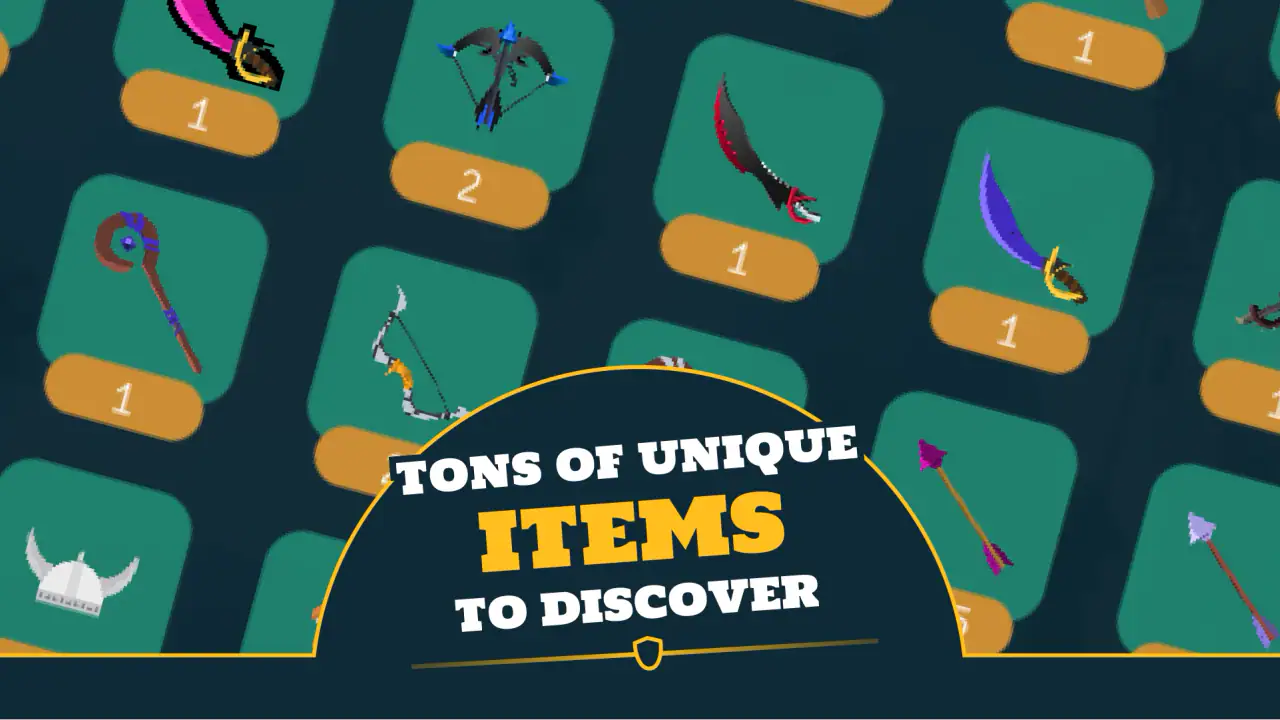
- Large range of equipment and builds supports different play styles.
- Guild features add cooperation and extra goals beyond solo progression.
- Low-pressure combat makes it easy to play in short sessions.
Cons
- Progress can become slow without regular upgrades and efficient resource management.
- The interface may feel crowded for new players learning all available systems.
- Some activities require waiting
- which can limit active gameplay variety.
- Late-game optimization may appeal more to dedicated players than casual users.
- A stable internet connection is often needed for the full online experience.


